


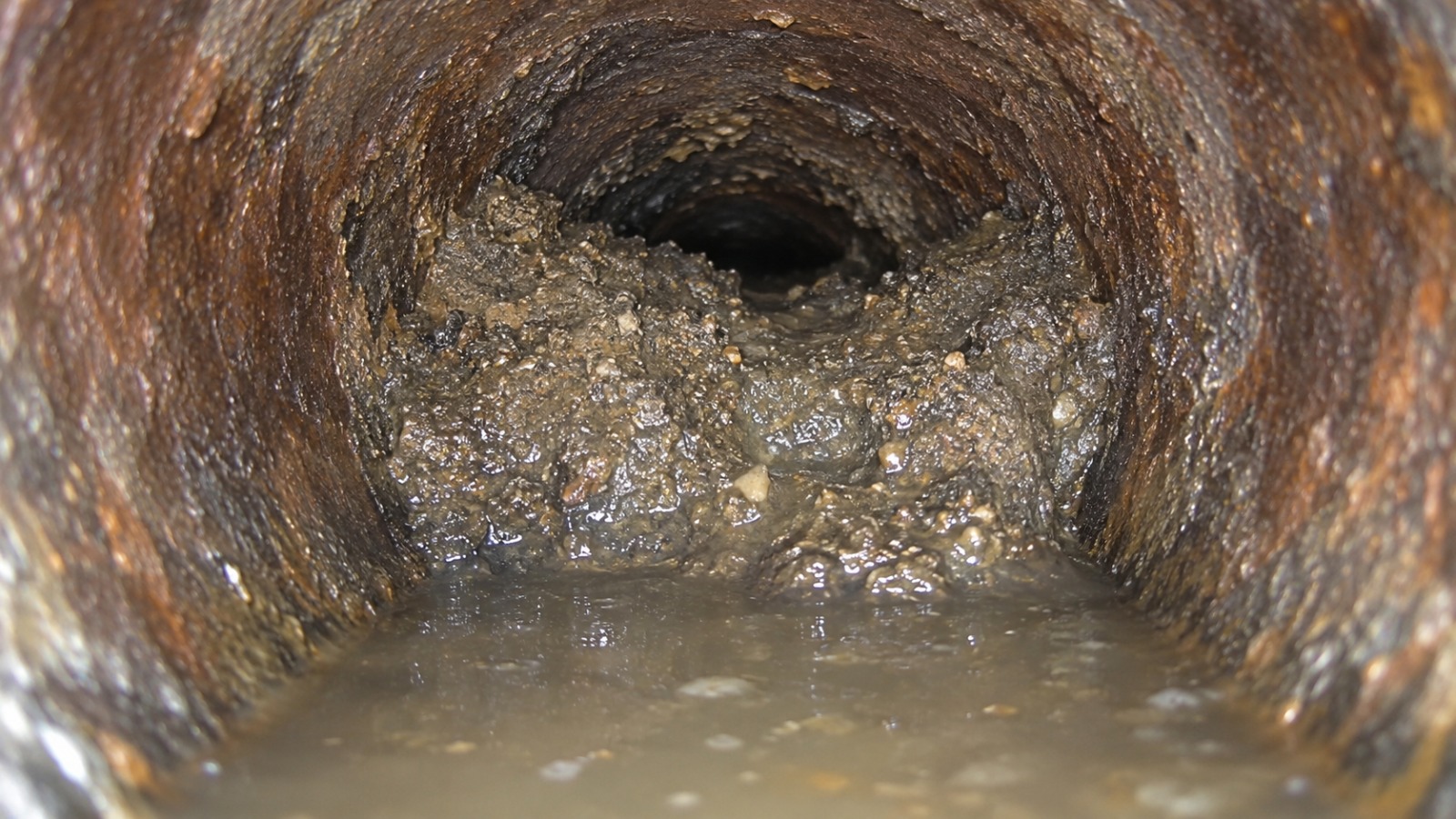
Why Does the Same Drain Keep Backing Up?
A blockage and a damaged pipe are different problems. Cleaning can remove material restricting flow, but it does not rebuild a worn pipe wall, close a crack, or correct a poorly aligned connection. Recurring clogs in cast iron drains deserve a closer look when the improvement never lasts.
Rust and Rough Surfaces Can Catch Debris
Over time, corrosion and deposits can leave an uneven interior. Paper, grease, and other debris may collect along those surfaces and narrow the available passage. However, the presence of rust does not automatically mean the entire system needs replacement. Its location, severity, and effect on drainage matter.
The Blockage May Not Be the Only Issue
Roots entering through an opening, a displaced joint, or a damaged section can contribute to repeated stoppages. A cleaning visit may restore flow while leaving that underlying condition in place.
Which Symptoms Should You Track?
Pay attention to what happens before and after each cleaning. Does only one sink slow down, or do several fixtures react together? Does the shower back up when a nearby toilet flushes? A pattern affecting multiple fixtures may point toward a shared drain, although symptoms alone cannot identify the cause.
When does it return?
Record how long the drain stays clear after cleaning.
Which fixtures are affected?
Note whether one fixture or several develop symptoms.
What happens before a backup?
Track gurgling sounds, slow drainage, and water backing up.
What work was performed?
Keep a record of previous cleaning and repair visits.
Write down when the problem returns, which fixtures are involved, and what previous work was performed. This history helps the technician investigate the recurring problem instead of starting from scratch at every visit.
Is This a Drain Problem or a Water Supply Problem?
Cast iron drain piping carries wastewater away from fixtures. It is different from the pressurized piping that brings clean water to faucets and showers. Low faucet pressure or rusty tap water calls for a different investigation. Neither symptom, by itself, establishes that a cast iron drain has failed.
What Can an Inspection Actually Show?
A professional drain camera inspection can help examine accessible portions of the line for deposits, roots, visible damage, and connection problems. Ask the technician to explain where each finding appears and how it relates to the symptoms you reported.
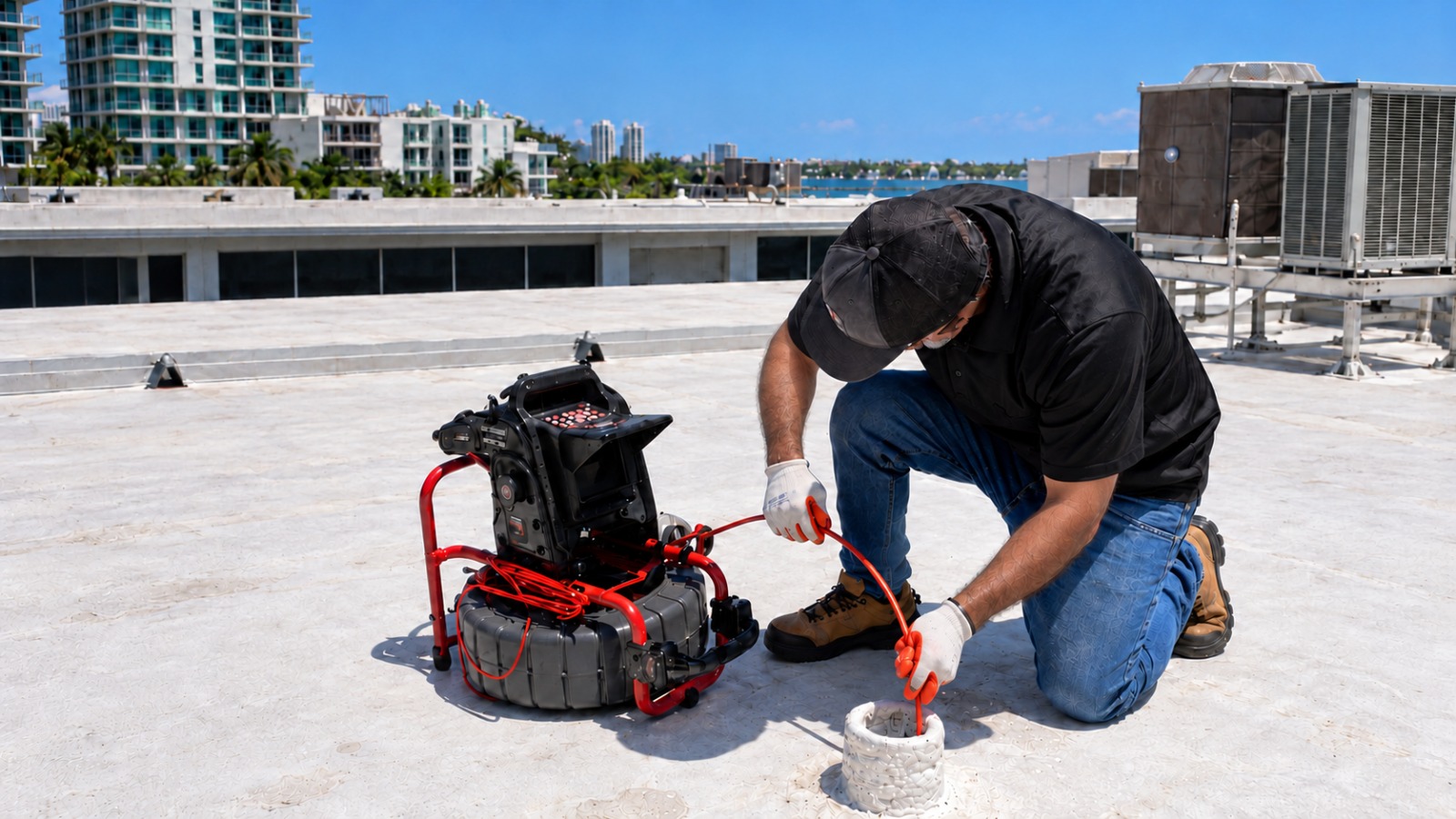
Footage Has Limits
Standing water, heavy buildup, bends, and access restrictions can hide portions of a pipe. Depending on the findings, cleaning, locating the affected section, or additional evaluation may be needed before choosing a repair.
Understand what the available footage shows, where the finding occurs, and what remains uncertain before deciding on the next step.
Should You Clean the Line Again or Consider Repairs?
Your next step should follow the evidence. If removable buildup is the main issue and the line is suitable for cleaning, targeted maintenance may help. If an inspection identifies a broken section or another structural defect, repeated cleaning will not fix that defect.
For documented damage, review the available sewer line repair options with the technician. Ask whether the issue is localized, what remains uncertain, and how the proposed work addresses the recurring blockage. Avoid choosing a whole-system replacement based only on the age of the property.
Check the Drainage Before a Bathroom Remodel
If the same bathroom has repeated backups, investigate the drain before installing new tile or reconnecting fixtures. A cosmetic renovation does not correct a deteriorated drain below the floor. Reviewing the existing line early can help you plan access and avoid reopening finished surfaces later.
Questions to Ask Before Approving Work
Ask to see the relevant footage and the location of the suspected problem. Request a written scope explaining the proposed work, access requirements, and restoration responsibilities.
- Where is the suspected problem located?
- What does the footage establish, and what remains uncertain?
- What access and restoration work will be required?
- Why would a smaller repair address the issue, or why would it not?
If broader pipe repair or replacement is recommended, ask why a smaller repair would or would not address the findings.
Frequently Asked Questions
Does a Recurring Clog Mean My Cast Iron Pipes Need Replacement?
No. Repeated clogs can result from removable deposits, use habits, or a localized problem. Replacement should be considered when the findings support it, rather than from the material or age alone.
Can Cleaning Repair a Cracked Cast Iron Drain?
No. Cleaning removes obstructions; it does not seal a crack or restore missing pipe material. The technician should assess whether the damaged section needs repair and whether further cleaning is appropriate.
What Should I Do if Sewage Backs Up Into the Shower?
Stop using fixtures that feed the affected drain and arrange professional assistance. Keep people and pets away from the wastewater. Once the immediate backup is addressed, ask what caused it and whether further evaluation is needed.
